
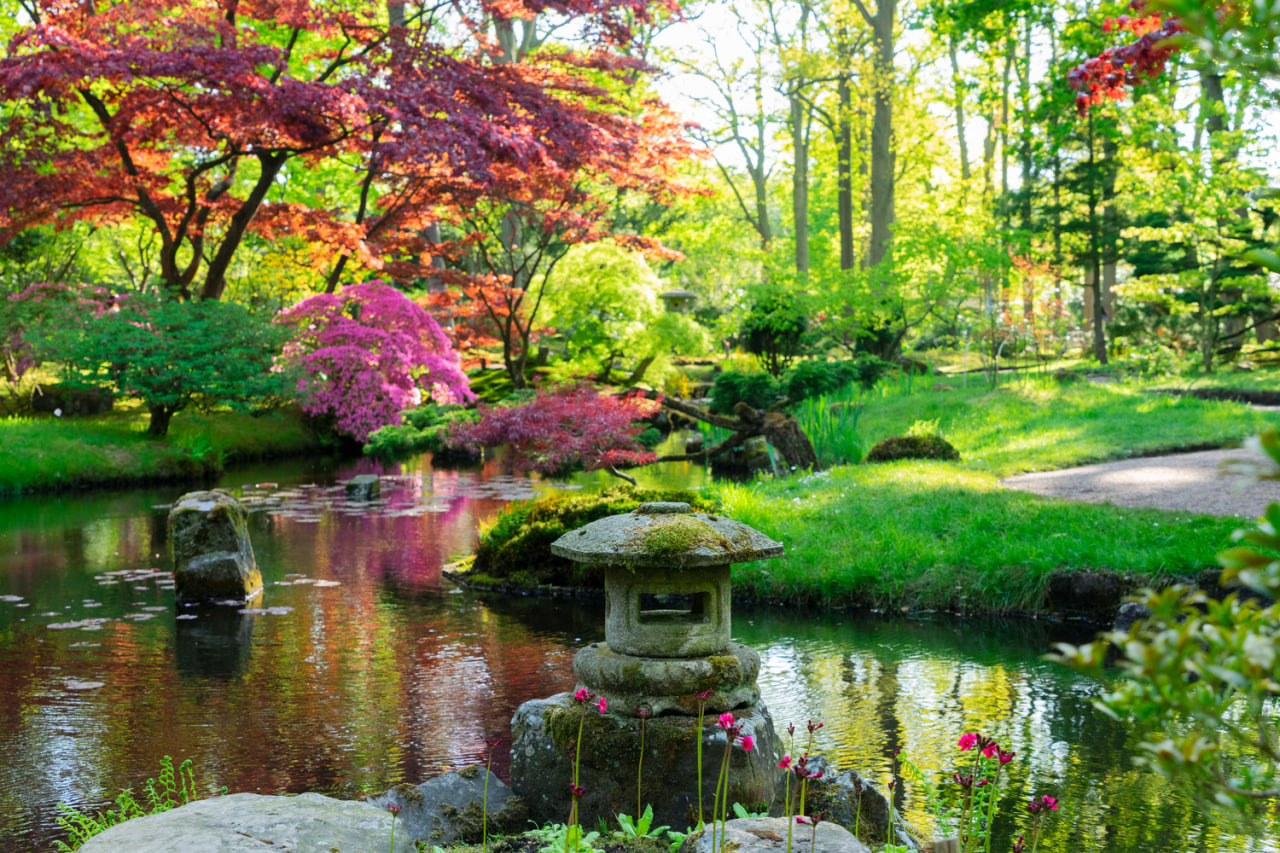
Using Natural Materials to Create Timeless Outdoor Spaces
The Importance of Natural Materials
Natural materials form the backbone of timeless outdoor spaces. Unlike synthetic alternatives, materials such as stone, wood, and moss evolve gracefully with time, developing character and depth. They create a sense of authenticity and connection with the surrounding environment, making gardens feel rooted in nature rather than imposed upon it. Using natural materials also aligns with sustainable practices, reducing environmental impact and fostering harmony with local ecosystems.
Integrating these elements thoughtfully ensures that outdoor spaces remain aesthetically pleasing, functional, and enduring for years to come.
Stone: Strength and Versatility
Choosing the Right Stones
Stones are versatile and durable, making them ideal for pathways, retaining walls, water features, and focal sculptures. Granite, limestone, and sandstone each offer unique textures and colors. Choosing the right type ensures both longevity and visual harmony with your garden’s design.
Placement and Patterns
Incorporate stones naturally rather than forcing symmetry. Irregular arrangements, stepping stones, and clusters can create organic flow. The slight imperfections in natural stone add authenticity and charm, reinforcing a timeless aesthetic.
Functional Benefits
Beyond beauty, stones provide practical advantages such as stability, erosion control, and drainage. They can serve as seating, edging, or structural elements, combining utility with natural elegance.
Wood: Warmth and Texture
Selecting Durable Wood
Hardwoods like teak, cedar, and oak resist decay and insect damage, making them suitable for outdoor benches, pergolas, fences, and garden sculptures. Proper treatment enhances durability and preserves natural colors.
Aging Gracefully
Wood’s ability to weather naturally adds character over time. Gray patinas, moss growth, and slight cracks create a sense of history and continuity in the garden, embodying the philosophy of impermanence and natural beauty.
Combining Wood with Other Materials
Wood pairs well with stone, metal, and plants. A wooden bench set on a stone pathway or a pergola with climbing vines integrates warmth and texture, creating a cohesive and inviting outdoor space.
Moss and Plant-Based Materials: Softness and Serenity
Moss for Ground Cover
Moss adds a soft, lush texture that contrasts beautifully with harder surfaces like stone or wood. It thrives in shaded, moist areas and requires minimal maintenance, making it ideal for tranquil corners, rock gardens, or water features.
Integrating Natural Fibers
Materials such as bamboo, reeds, or jute can be used for fences, screens, and decorative elements. These plant-based components contribute to the garden’s organic feel and sustainability while aging gracefully over time.
Water Features and Natural Elements
Incorporating streams, ponds, or small waterfalls enhances sensory appeal. Using natural stones and materials for these features ensures they blend seamlessly with the landscape. The sound of flowing water, combined with mossy stones or driftwood accents, creates a serene environment that stands the test of time.
Benefits of Using Natural Materials
Timeless Aesthetic
Natural materials create a garden that feels classic and enduring. Their textures, colors, and imperfections offer visual interest that evolves with seasons and age.
Low Maintenance
Many natural materials, when chosen wisely, require minimal upkeep. Stone pathways, mossy ground covers, and treated hardwoods are resilient, reducing the need for frequent replacement or repair.
Environmental Harmony
Sourcing local and sustainable materials supports ecosystems and reduces carbon footprint. Gardens built with natural elements integrate seamlessly into the surrounding landscape, fostering biodiversity and ecological balance.
Emotional Connection
Natural materials evoke a sense of calm, grounding, and connection with nature. They enhance mindfulness and encourage visitors to slow down and appreciate the garden’s subtle details.
Combining Materials for Cohesion
Blending stone, wood, moss, and plant-based fibers creates layered textures and depth. For example, a stone pathway leading to a wooden bench surrounded by moss and native plants combines durability, comfort, and aesthetic richness. Layering materials in this way ensures visual interest and a harmonious flow throughout the outdoor space.